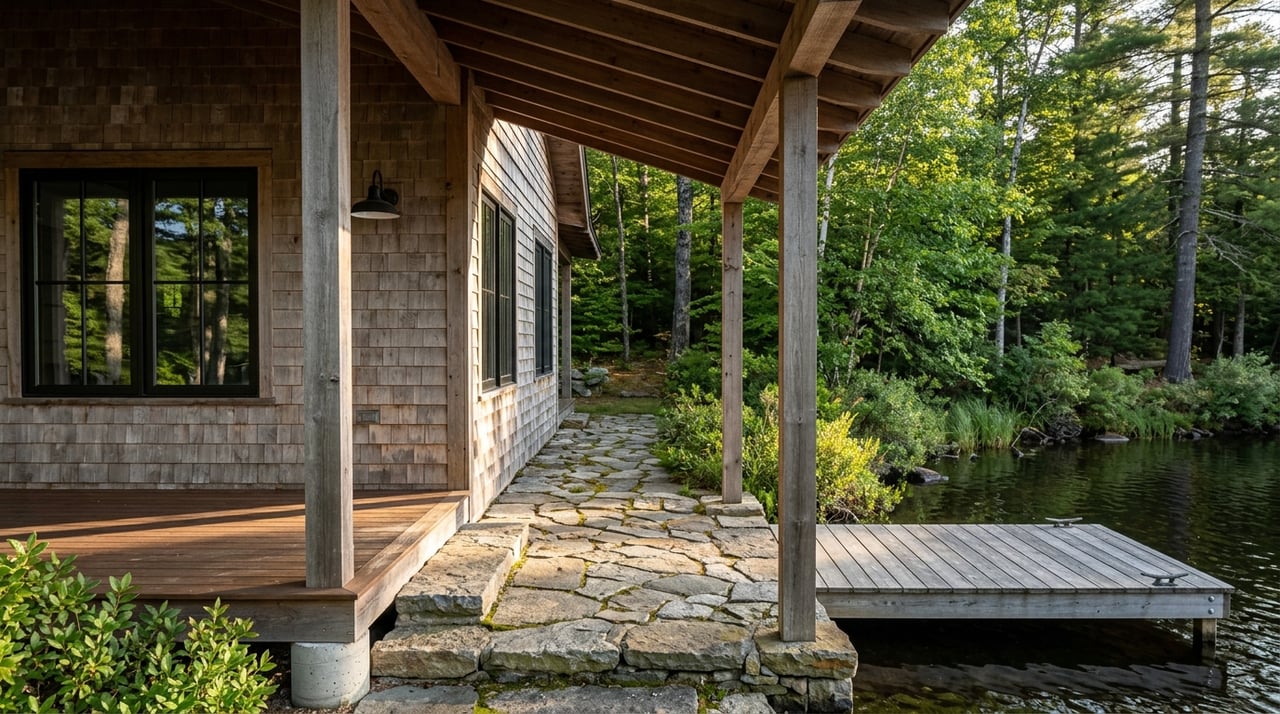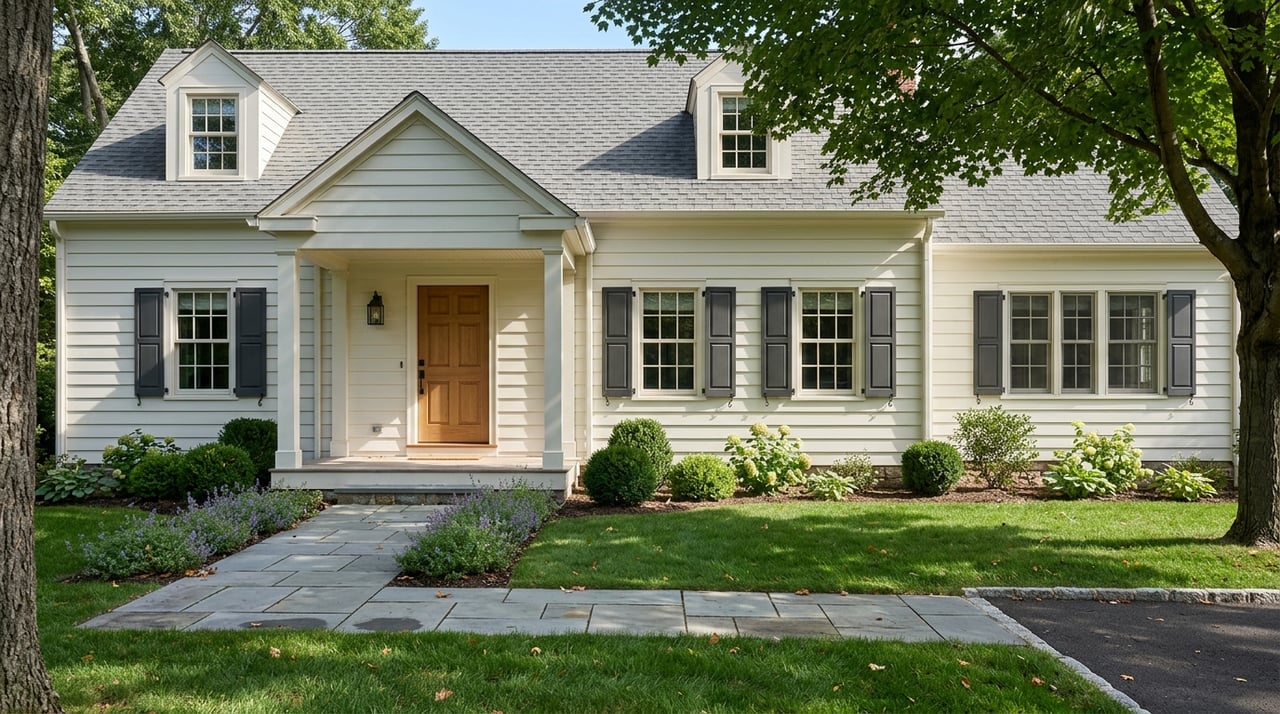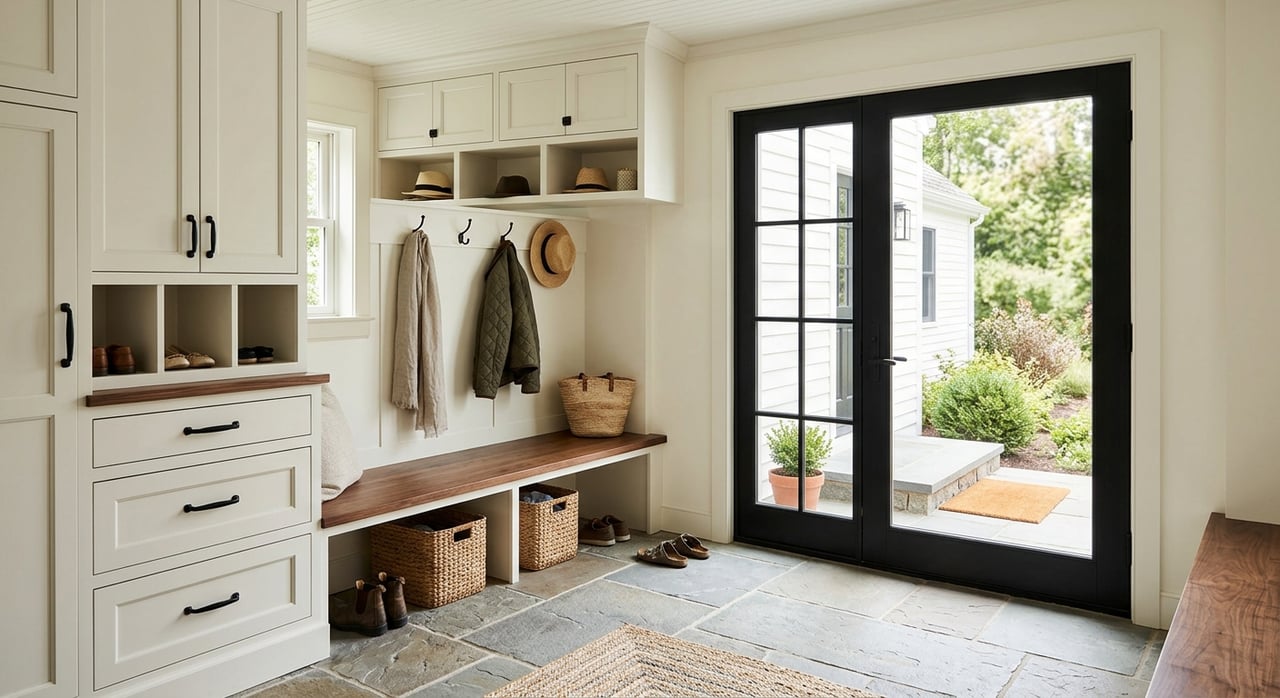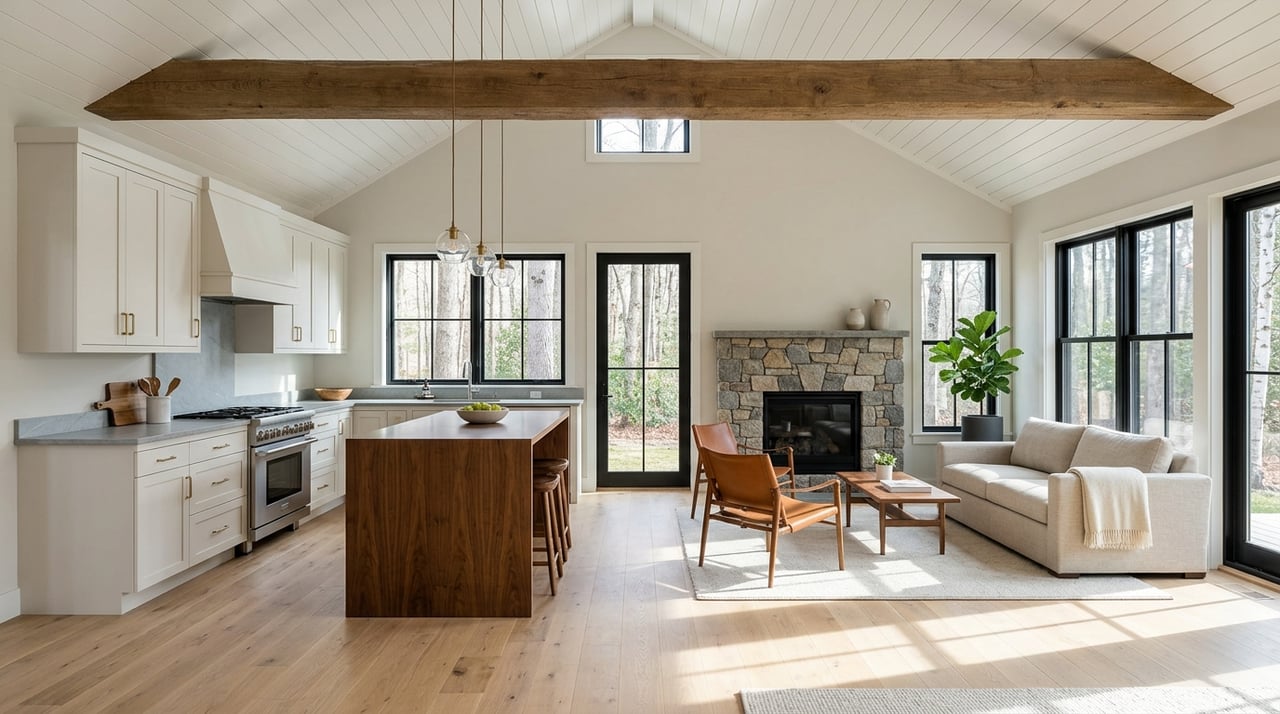
If you are thinking about buying in Lenox, the hardest part may not be finding a beautiful property. It may be choosing the right kind of retreat for how you actually want to live there. In a small, segmented market shaped by culture, seasonality, and second-home ownership, the best fit depends on your lifestyle, maintenance tolerance, and long-term goals. This guide will help you compare Lenox village homes, country estates, and condos so you can make a smart, confident decision. Let’s dive in.
Why property type matters in Lenox
Lenox is not a one-size-fits-all market. The town combines a historic village core, larger country properties, and a smaller condo segment, each with different ownership demands and value drivers.
That matters even more in a thin market where inventory can be limited. Realtor.com’s April 2026 snapshot showed 26 homes for sale in Lenox with a median listing price of $867,500 and 89 days on market, while Redfin showed 4 condos for sale with a median listing price of $637,000.
Seasonal use also plays a real role here. Lenox’s 2017 master plan described Lenox Village as 26% seasonal homes, and the town is recognized in statewide seasonal-community materials. If you are shopping for a weekend place, retirement retreat, or part-time residence, your ideal property may look very different from someone buying for full-time living.
Historic village homes in Lenox
For many buyers, the appeal of Lenox starts in the village. This is the preservation-sensitive core of town, where architecture, walkability, and access to civic and cultural destinations shape the ownership experience.
The local historic district includes notable buildings and streetscapes, and the district guidelines describe architectural styles such as Federal, Greek Revival, Queen Anne, Italianate, and Colonial Revival. The area also reflects Lenox’s Gilded Age summer-cottage era and later cultural development around Tanglewood.
What draws buyers to village homes
Village homes tend to appeal to buyers who want character over acreage. The strongest value drivers are often:
- Walkability to village destinations
- Architectural integrity and period detail
- In-village setting
- Updated systems and thoughtful renovations
- Proximity to Lenox’s cultural core
If you picture yourself enjoying a classic Berkshire setting with a strong sense of place, this category can be a great match. You may give up some land and privacy, but you gain convenience, charm, and a more connected village experience.
What to know about historic-district review
The tradeoff is that exterior changes are not always simple. The Historic District Commission says no building or demolition permit is issued until the Commission grants a certificate.
The town also notes that hearings are typically held at least three weeks after filing. If you plan to make visible exterior updates, timing and approval should be part of your decision from the start.
Best fit for a village home
A historic village home may be right for you if you want:
- A home with architectural character
- Easier access to Lenox Village amenities
- A property that feels rooted in local history
- A second home centered on culture and convenience
- To preserve and maintain an older home thoughtfully
If that sounds appealing, your due diligence should focus on renovation history, system updates, and any future plans that could trigger local review.
Country estates and larger-lot homes
If privacy, land, and a more independent setting top your list, a country estate may be the better Lenox retreat. In this segment, the house matters, but the land and property systems often matter just as much.
Townwide housing stock is still dominated by detached single-family homes, and larger parcels can bring a very different ownership profile than a village property. Instead of focusing mainly on walkability and architectural controls, you are evaluating how the entire site functions.
What drives value in estate properties
For larger-lot homes, buyers often look beyond finishes and square footage. Key value drivers usually include:
- Acreage and usable outdoor space
- Privacy and setting
- Driveway access and snow-removal needs
- Landscaping and outbuildings
- Condition of private water and septic systems
- Flexibility for guests and outdoor amenities
Recent Lenox luxury listings have highlighted acreage, guest suites, pool houses, and resort-style outdoor features. That shows how strongly land and compound-like amenities can influence value at the upper end of the market.
Systems matter more than many buyers expect
With estate ownership, practical details come into focus fast. Massachusetts guidance says private wells are regulated locally and should be tested before purchase, while septic systems are subject to transfer-inspection rules.
This means your evaluation should include more than the home itself. Water, septic, drainage, driveway condition, maintenance demands, and seasonal access can all shape your real carrying costs and day-to-day experience.
Best fit for a country estate
A country estate may be the right choice if you want:
- More land and privacy
- Space for entertaining or hosting guests
- A retreat feel removed from the village core
- Greater control over your property
- Comfort managing a more maintenance-heavy asset
For many second-home buyers, this is the classic Berkshire dream. It can also require the clearest planning, especially if you are balancing distance, seasonal use, and service logistics.
Condos and lock-and-leave living
If your goal is simplicity, a condo may be the most practical Lenox retreat. In this market, though, a condo is usually not just the budget option.
The town’s 2017 master plan said condos made up 17% of Lenox Village units, and Redfin’s April 2026 snapshot showed a median condo listing price of $637,000. In other words, you are often paying for ease, location, and reduced maintenance, not simply a lower price point.
What condo buyers should review closely
Massachusetts condo ownership is structured around documents and shared responsibilities. That includes a master deed, bylaws, common areas, reserve funds, monthly fees, and the potential for special assessments.
Massachusetts also notes that condo owners need insurance for everything not covered by the association’s master policy, and unit owners may be assessed for additional costs tied to insured losses. Because of that, the financial health of the association is central to value.
Before choosing a condo, pay close attention to:
- Monthly condo fees
- Reserve-fund strength
- Building age and deferred maintenance risk
- Special-assessment history or exposure
- What the association maintains versus what you maintain
- Insurance responsibilities beyond the master policy
Best fit for a Lenox condo
A condo may be the best option if you want:
- Predictable exterior maintenance
- Easier lock-and-leave use
- Less responsibility for site-level upkeep
- A second home with simpler logistics
- Comfort with shared governance and rules
The key question is whether the monthly fee buys enough convenience to justify the tradeoff in control. For many part-time owners, the answer is yes. For others, a single-family home may still feel worth the added effort.
Compare your Lenox retreat options
Choosing between these property types often comes down to how you want to spend your time in Lenox.
| Property type | Best for | Main advantages | Main considerations |
|---|---|---|---|
| Historic village home | Buyers who want charm and in-town access | Walkability, architecture, village setting, cultural access | Historic-district review, older-home upkeep, less land |
| Country estate | Buyers who want privacy and land | Acreage, independence, outdoor space, guest flexibility | Wells, septic, snow removal, broader maintenance needs |
| Condo | Buyers who want simplicity | Lock-and-leave ease, shared maintenance, predictable upkeep | Fees, reserves, special assessments, less exterior control |
Budget for ownership costs in Lenox
Purchase price is only part of the picture. Carrying costs can vary meaningfully based on whether you buy a primary residence, second home, condo, or larger estate property.
Lenox’s FY2026 residential tax rate is $9.85 per $1,000 of assessed value. At that rate, a home assessed at $867,500 would have an annual town real-estate tax of about $8,545 before exemptions or abatements.
The town also says the estimated market value of personal property in second homes and condominiums averages 3% of building value. According to the town’s FAQ, primary residences are exempt from this personal-property bill.
That makes budgeting especially important for second-home buyers. In Lenox, your ongoing cost analysis should include:
- Real-estate taxes
- Insurance
- Possible personal-property tax for second homes and condos
- Condo fees, if applicable
- Well and septic testing or maintenance, if applicable
- Snow removal, landscaping, and driveway upkeep for larger properties
A simple way to choose
If you are deciding between several strong options, try this simple lens: choose based on how you want to use the property, not just how it looks during a showing.
Choose a historic village home if walkability, architectural character, and cultural access matter more to you than extra land or a faster renovation path. Choose a country estate if privacy, acreage, and a more independent property footprint are your top priorities. Choose a condo if you want a more predictable, lock-and-leave ownership experience.
The right answer is personal, but it should also be practical. In a market like Lenox, the smartest purchase usually comes from matching the property type to your real lifestyle, your tolerance for upkeep, and the way you plan to enjoy the Berkshires over time.
If you want a clear, data-driven view of which Lenox property type fits your goals, George Cain can help you evaluate the tradeoffs and move forward with confidence.
FAQs
What type of retreat is best for second-home buyers in Lenox, MA?
- For many second-home buyers in Lenox, the best choice depends on whether you value village access, private acreage, or low-maintenance ownership most.
What should buyers know about historic homes in Lenox Village?
- Buyers should know that many village properties sit in a preservation-sensitive area where exterior changes may require Historic District Commission review before permits are issued.
What should buyers check before buying a country estate in Lenox, MA?
- Buyers should closely review land use, private well testing, septic inspection requirements, driveway conditions, and the overall maintenance demands of a larger property.
Are Lenox condos a lower-cost option than single-family homes?
- Not always, because Lenox condos can carry meaningful value based on location, finish level, and association quality, and they also come with fees and possible special assessments.
How much are property taxes in Lenox, MA?
- Lenox’s FY2026 residential tax rate is $9.85 per $1,000 of assessed value, which would make an $867,500 assessed home about $8,545 per year before exemptions or abatements.
Do second homes in Lenox have added carrying costs?
- Yes, the town says second homes and condominiums may face a local personal-property cost in addition to real-estate tax and insurance, while primary residences are exempt from that personal-property bill.