If you are thinking about a second home in the Berkshires, Egremont deserves a close look. It offers the rural setting many buyers want, but it also comes with real questions about seasonal rental use, local rules, and whether the numbers support your goals. This guide will help you understand where Egremont fits, what kind of properties align with the town, and what to weigh before you buy. Let’s dive in.
Why Egremont Appeals to Second-Home Buyers
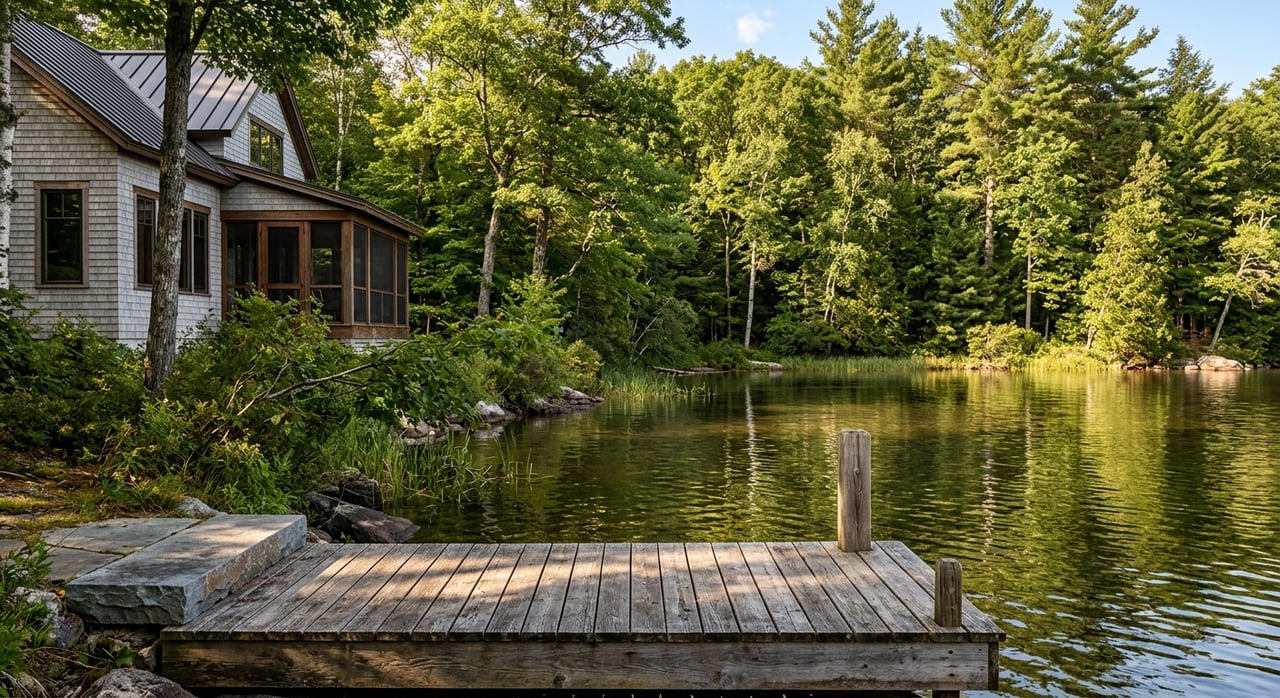
Egremont is a small rural town in southern Berkshire County, set in the Berkshire Hills with forested land, scenic roads, waters, and a village center in South Egremont with retail and dining. The town notes that it is roughly two and one-half hours from both Boston and New York City, which supports its appeal as a weekend and seasonal escape.
That location matters because many second-home buyers want convenience without giving up privacy or landscape. Egremont also borders Great Barrington, which serves as a major shopping, dining, and theater hub for southern Berkshire County. For buyers coming from the New York or Boston orbit, that combination can feel practical and distinctly Berkshire at the same time.
The broader region strengthens the case. Berkshire tourism highlights a year-round mix of cultural attractions, outdoor recreation, hiking, biking, skiing, lakes, and farm-to-table dining. Egremont also has town-wide fiberoptic broadband coverage, which can add flexibility for remote work or longer stays.
What Egremont’s Housing Stock Tells You
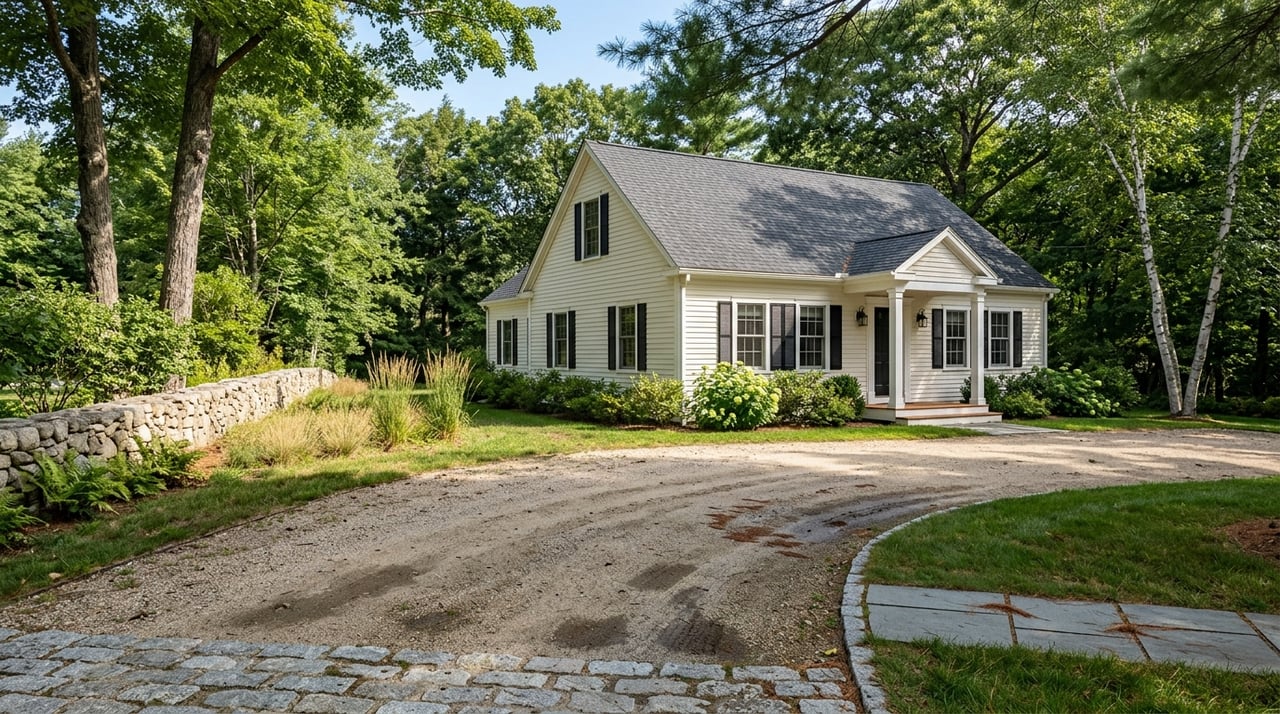
Egremont is not a dense rental market built around apartment inventory. The town’s 2025 statistics list 933 total housing units, and 92 percent are single-family homes. For many second-home buyers, that points to a market centered on detached houses, country properties, cottages, and farmhouses rather than large-scale rental buildings.
The town’s 2024 to 2029 Housing Production Plan adds another important layer. It says 33.2 percent of total housing units are classified as seasonal, recreational, or occasional use. That is a meaningful share, and it helps explain why Egremont has long attracted buyers looking for a rural retreat.
The same plan notes that 31.3 percent of homes were built in 1939 or earlier. That can be appealing if you value character and historic New England style, but it also means due diligence matters. Older housing stock may require closer review of systems, maintenance history, and year-round usability.
Seasonal Rental Potential in Egremont
For the right owner, Egremont can support selective seasonal rental use. The strongest demand case is tied to lifestyle travel rather than basic overnight lodging. People come to this part of the Berkshires for scenery, cultural programming, dining, outdoor recreation, and access to nearby destinations such as Great Barrington and Catamount Mountain Resort in South Egremont.
In practical terms, that means demand is likely to cluster around periods when the region is especially active. Summer travel, fall foliage season, winter sports periods, and event-driven weekends are the most logical windows. Shoulder seasons may also benefit from the Berkshires’ arts and dining calendar.
This is not a market where every property is equally suited to rental use. Homes that feel private, comfortable, and easy to operate are usually the better fit for seasonal guests. In Egremont, a well-kept single-family home with outdoor space and a strong sense of place is more aligned with local demand than a property designed for high-density occupancy.
Egremont STR Rules You Need to Know
Before you buy with rental plans in mind, you need to understand Egremont’s local short-term rental framework. The town defines a short-term rental as a registered residential property rented for 30 or fewer consecutive days. Just as important, the guide says the framework is intended to support resident homeowners while discouraging outside commercial interests from purchasing homes only to operate STR businesses.
The current rules are not especially favorable to a purely passive outside investor model. The guide says eligibility is largely limited to Egremont residents, annual registration is required, and properties bought after the Oct. 28, 2025 effective date cannot be registered as STRs. If you are exploring a second home with occasional rental income, those details should be part of your decision from day one.
This is where buyers can make expensive assumptions if they move too quickly. A beautiful house with strong guest appeal is not the same thing as a property that fits the town’s current registration framework. In Egremont, usage strategy and eligibility matter as much as the home itself.
Key Operating Requirements
If a property does qualify, the town’s guide outlines a hands-on operating model. Owners need to plan for active management rather than a set-it-and-forget-it arrangement.
Important requirements include:
- Occupancy limited to twice the number of official bedrooms plus one, with septic capacity as the cap
- A local manager who can respond within 2 hours for problems and within 30 minutes for emergencies
- Posted house rules, emergency contacts, trash and recycling rules, leash rules, and quiet-hour notices
- Off-street parking requirements
- Potable-water testing for private wells
- Proof of septic pumping every three years
- Prohibitions on signs, commercial meetings, amplified music, and permit-triggering tents
The town also states that enforcement is complaint-driven. That means good operations matter. Clear guest communication, realistic occupancy planning, and reliable local support can help reduce friction and protect the ownership experience.
Insurance and Risk Planning
Massachusetts law requires short-term rental operators to carry at least $1,000,000 in liability coverage unless the hosting platform provides equal or greater coverage. State law also requires notice to the homeowner or renter insurer before operating a short-term rental.
For second-home buyers, that makes insurance part of the early underwriting conversation. You will want to understand what your policy covers, what a carrier requires for seasonal or guest use, and how liability protection fits with the way you plan to use the property. It is far better to sort that out before closing than after you begin hosting.
Egremont Is Becoming More Policy-Sensitive
Egremont’s planning environment is worth watching if flexibility matters to you. In 2026, town voters adopted the state’s Seasonal Community designation, and the Planning Board says state regulations now require zoning changes related to tiny houses and attainable units on undersized lots.
For buyers, the headline is not that Egremont is closing the door on second homes. It is that the town appears to be moving toward a more managed, resident-centered approach to housing and seasonal use. If your plan depends on broad rental freedom or a highly commercial model, this market may require more caution and more local guidance.
What Kind of Buyer Is the Best Fit?
Egremont can be an excellent match if you are buying first for lifestyle and second for selective income support. If your priority is a Berkshire retreat for your own use, with the possibility of carefully managed seasonal rental periods when allowed, the town’s profile may align well with your goals.
It is less straightforward if you are looking for a pure acquisition based on maximum short-term rental yield. The local rules, resident focus, and management demands make this a market where ownership strategy needs to be tailored, not generic. In other words, you should buy because Egremont works for you as a place, not only because it might produce rental revenue.
Smart Questions to Ask Before You Buy
A disciplined second-home purchase starts with the right questions. In Egremont, those questions should go beyond views, finishes, and weekend appeal.
Consider asking:
- Does this property fit my personal-use goals even if rental use is limited?
- Is the home eligible for the kind of short-term rental plan I have in mind under current town rules?
- How will the age of the home affect maintenance, systems, and operating costs?
- Is there enough parking, septic capacity, and local support to run the property smoothly?
- What insurance structure would I need if I host guests?
- Do I want an active, hospitality-style management model?
Those questions can help you avoid treating Egremont like a generic vacation-rental market. It is better understood as a place where second-home enjoyment and selective seasonal renting may overlap, but only within a more structured local framework.
Why Local Guidance Matters in Egremont
In a market like Egremont, the right property is about more than aesthetics. It is about fit between the house, your intended use, the town’s regulations, and the practical realities of operating in a rural setting. That is especially true when you are comparing older homes, private wells, septic systems, and different levels of rental readiness.
A local advisor can help you think through the ownership model before you commit. That includes identifying which properties make sense for personal retreat use, which may support seasonal rental goals, and where the local rules may narrow your options. When you approach the purchase with that level of clarity, you are far more likely to make a decision that holds up over time.
If you are considering a second home in Egremont or weighing how seasonal rental potential fits into your search, George Cain can help you evaluate the market with a practical, data-driven lens and local Berkshire insight.
FAQs
Is Egremont, MA a good place for a second home?
- Egremont can be a strong second-home market if you value a rural Berkshire setting, access to Great Barrington, year-round recreation and culture, and a housing stock dominated by single-family homes.
Can you use a second home as a short-term rental in Egremont?
- Egremont has a local short-term rental framework, but the current rules are geared toward resident homeowners, require annual registration, and state that properties bought after Oct. 28, 2025 cannot be registered as STRs.
What kinds of homes are most common in Egremont, MA?
- According to the town’s 2025 statistics, 92 percent of Egremont’s housing units are single-family homes, which suggests a market shaped more by detached homes and country properties than by multifamily inventory.
What drives seasonal rental demand near Egremont?
- Seasonal demand is supported by the Berkshires’ arts and culture scene, outdoor recreation, dining, access to Great Barrington, and nearby attractions such as Catamount Mountain Resort.
What should buyers know about managing a short-term rental in Egremont?
- Buyers should know that Egremont’s rules require active oversight, including a local manager, posted house rules, occupancy limits tied to bedrooms and septic capacity, and compliance with parking, well-water, septic, and quiet-hour requirements.
Does Massachusetts require insurance for short-term rentals?
- Yes. Massachusetts law requires at least $1,000,000 in liability coverage for short-term rental operators unless a hosting platform provides equal or greater coverage, and operators must notify their insurer before operating an STR.