Looking for a Berkshire town where the lake is part of daily life and the outdoors stay close in every season? Monterey stands out for exactly that reason. If you are searching for a second home, a year-round retreat, or a quieter setting with real access to nature, this guide will help you understand what makes Monterey special and what to keep in mind as you explore the market. Let’s dive in.
Why Monterey Feels Different
Monterey is a small rural town in Berkshire County with 1,095 full-time residents and about 27.23 square miles of land. The town center sits at roughly 1,263 feet in elevation, which adds to its classic hill-town setting and four-season appeal.
What shapes daily life here is the landscape. Town planning materials describe Monterey as a community of two lakes, numerous ponds, farms, camps, and a large amount of protected or state-forest land. About 44% of the town is state forest or otherwise protected, which helps preserve the open, quiet character many buyers are looking for.
That setting matters if you want more than a house. In Monterey, the lifestyle often includes water access, wooded views, trail networks, and a pace that feels removed from busier town centers.
Lake Garfield Anchors Lakeside Living
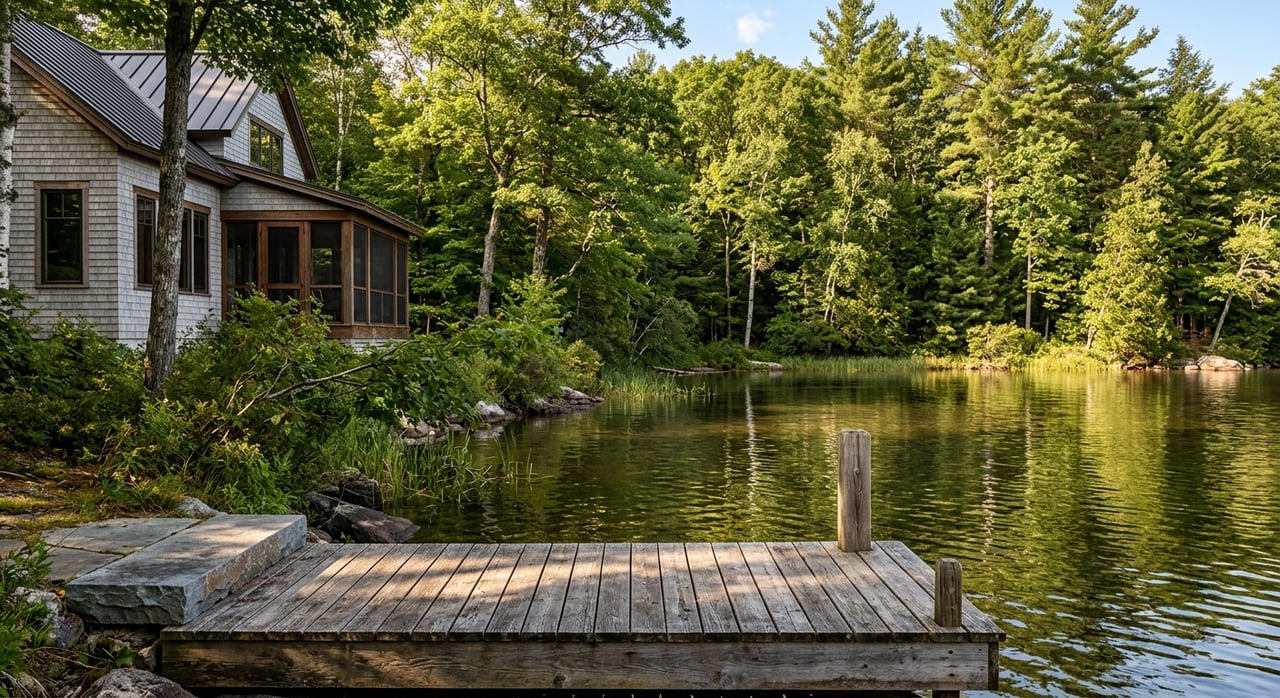
If you picture Monterey as a lake town, Lake Garfield is the clearest reason why. The town identifies it as a major part of local life, with a public beach, public boat launch, and public access for fishing and boating.
For buyers, that public access is an important detail. The town says the beach is public, parking passes are not needed, and lifeguards are on duty during the summer season. Questions about boating are directed through the town’s harbormaster and police chief.
Lake Garfield is also a sizeable water body. The watershed plan identifies it as a 257-acre Great Pond, and town materials note that many private residences line the shore. The same planning documents say there are about 75 dwellings along the shoreline, reflecting a mix of seasonal homes and year-round residences.
That mix gives Monterey a lifestyle that feels flexible. Some owners use the area as a summer base or weekend escape, while others live here full time and enjoy the lake as part of everyday life.
What Public Lake Access Means for You
Public access can be a real advantage, even if you are not buying directly on the water. In Monterey, you may still enjoy beach time, boating, and fishing without needing a true waterfront property.
That can broaden your search. A home near the lake, rather than directly on it, may still support the same outdoor routine while offering a different price point, more privacy, or a larger lot.
Lake Living Includes Stewardship
One of the most important things to understand about Monterey lake life is that it is not just about recreation. It also involves care for the lake itself.
The town has a Lake Garfield Committee that monitors lake health and safety, reviews rules and drawdown issues, coordinates services, and posts monitoring reports. Town materials also state that Lake Garfield appears on the Massachusetts Integrated List of Waters as impaired due to low oxygen, excessive phosphorus, and non-native Eurasian watermilfoil.
For you as a buyer, that means the lake is actively managed. That is not a negative by itself, but it is a real part of ownership and enjoyment in the area. If lakeside living is your goal, it helps to approach Monterey with both appreciation and awareness.
Outdoor Life Goes Beyond the Shore
Monterey’s appeal does not stop at the lake. The town has a strong four-season outdoor profile that adds value for both full-time residents and second-home owners.
Beartown State Forest is a major part of that story. This 12,000-acre state forest in Monterey offers hiking, biking, canoeing, kayaking, swimming, fishing, camping, cross-country skiing, and snowmobiling. The Department of Conservation and Recreation also highlights the 1.5-mile Benedict Pond Loop Trail as an easy walk.
If you like the idea of stepping away from the house and into nature quickly, Monterey delivers that feeling in a real, usable way. The outdoor options here are not limited to one season or one activity.
Trails Add Year-Round Variety
The town’s 2023 master plan notes that the Appalachian Trail passes through Monterey for about 5.3 miles. That detail speaks to the town’s connection to the broader Berkshire landscape and to the kind of outdoor access residents value.
The same plan highlights Bob’s Way, a 263-acre property with 1.75-mile and 2.5-mile loops open to hikers, snowshoers, cross-country skiers, dog walkers, hunters, and fishermen. Combined with the lakes and state forest, these trail options support a lifestyle that changes with the seasons rather than shutting down after summer.
The Quiet Character Is Intentional
Monterey’s open-space planning materials make something very clear. Preserved land, forests, lakes, rolling hills, and public access to outdoor spaces are central to the town’s identity.
Resident feedback in those planning documents repeatedly emphasized lakes, hiking trails, open land, quiet, and dark nights. For buyers, that is useful context. The low-key atmosphere is not accidental. It is part of what people in Monterey actively value and seek to maintain.
What Homes in Monterey Often Look Like
If you are comparing Monterey with other Berkshire towns, the housing stock may feel more retreat-oriented than village-centered. Town housing data says about 50% of homes are occupied year-round, while the remaining share is used seasonally.
That seasonal pattern is concentrated mainly around Lake Garfield and Lake Buel. If your goal is a second home or part-time Berkshire base, that can make Monterey especially relevant.
The housing stock also trends older. Nearly 30% of homes were built before 1939, and about 80% were built before 2000. In practical terms, you are more likely to encounter detached homes, cottages, and older properties with character than dense new multifamily inventory.
What Buyers Should Expect
In Monterey, many buyers are drawn to a setting where privacy, open space, and outdoor access matter as much as square footage. The town’s land-use and housing patterns support that impression.
As you search, you may encounter:
- Older single-family homes
- Lake-adjacent cottages
- Seasonal properties
- Homes on larger wooded parcels
- Properties that feel more like retreats than in-town residences
This is one reason Monterey continues to appeal to second-home buyers and others looking for a Berkshire lifestyle centered on nature and breathing room.
Is Monterey Right for Your Goals?
Monterey can be a strong fit if you want a Berkshire property that feels connected to the outdoors in a direct, everyday way. The combination of public lake access, protected land, and year-round recreation gives the town a clear identity.
It may be especially appealing if you are looking for:
- A second home near Lake Garfield or Lake Buel
- A quieter full-time residence with outdoor access
- An older home or cottage with classic Berkshire character
- A low-density setting with meaningful privacy
- A market where natural surroundings shape value and lifestyle
At the same time, it helps to go in with a practical mindset. In a town with older housing, seasonal use, and active lake stewardship, the right property search depends on your priorities, timeline, and intended use.
Why Local Guidance Matters in Monterey
In a market like Monterey, the details matter. Public access, seasonal housing patterns, property setting, and the difference between waterfront, water-access, and tucked-away retreat properties can all shape your decision.
If you are buying in the Berkshires, especially for a second home or lifestyle-driven move, you want advice that blends local knowledge with a disciplined view of value. That is particularly true in smaller towns where inventory can be limited and each property has a distinct story.
Whether you are focused on a lakeside home, a country retreat, or land with long-term potential, understanding how Monterey lives on the ground is just as important as reviewing square footage or list price.
If you are considering Monterey or other Berkshire towns, George Cain offers the kind of thoughtful, data-informed guidance that can help you evaluate the market with confidence and find the right fit for your goals.
FAQs
Is Lake Garfield public in Monterey, MA?
- Yes. The town says the beach is public, parking passes are not needed, and the lake also has public access for fishing and boating, including a public boat launch.
How outdoor-oriented is Monterey, MA?
- Very outdoor-oriented. Monterey includes Lake Garfield, Lake Buel, Beartown State Forest, part of the Appalachian Trail, and local trail properties such as Bob’s Way, supporting recreation across all four seasons.
Are homes in Monterey, MA mostly seasonal or year-round?
- The town’s housing report says the split is about even, with roughly 50% of homes occupied year-round and the remainder used seasonally, especially around Lake Garfield and Lake Buel.
What should buyers know about Lake Garfield living in Monterey?
- Buyers should know that Lake Garfield is actively monitored and managed. Town materials note lake-health efforts and identify water-quality issues including low oxygen, excessive phosphorus, and Eurasian watermilfoil.
What types of homes are common in Monterey, MA?
- Buyers are likely to see older detached homes, lake-adjacent cottages, seasonal properties, and low-density homesites. Town data shows a large share of homes were built before 2000, with many built before 1939.