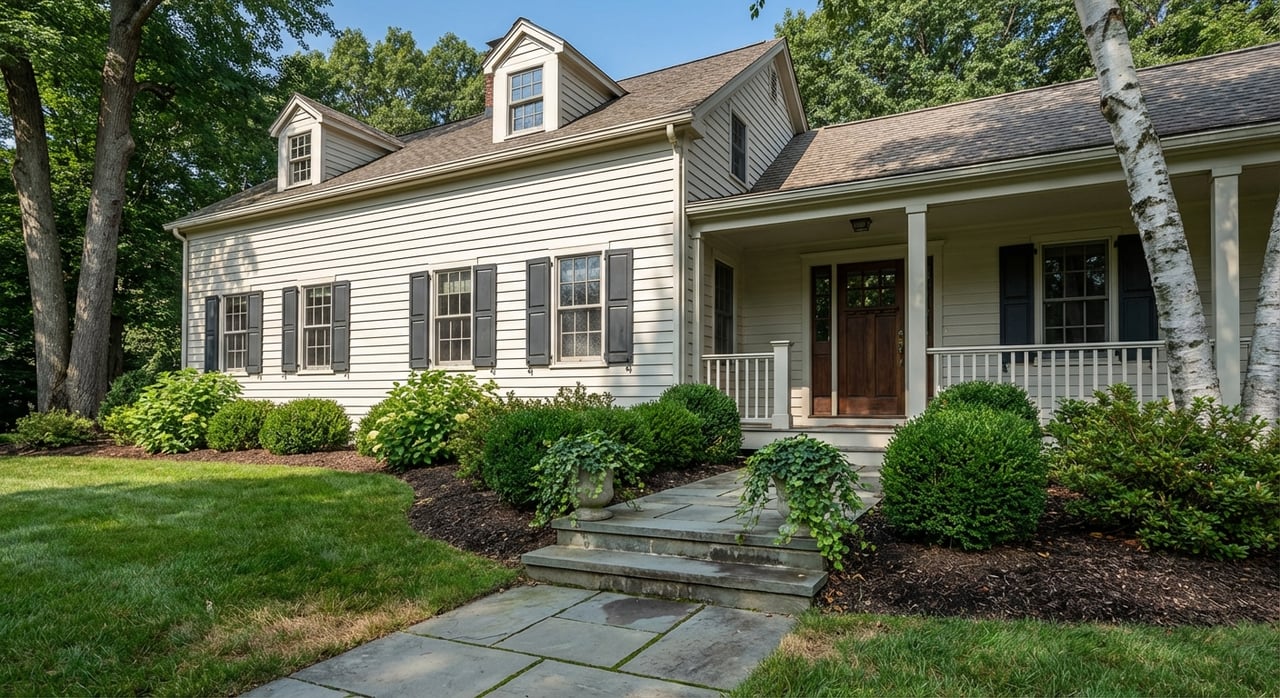
Thinking about selling a historic home in Glendale or the town of Stockbridge? You are not just listing a property. You are presenting a piece of Berkshire history to a discerning audience who values character and stewardship. With the right preparation, you can protect the home’s integrity, reduce buyer uncertainty, and position the property for a strong result. This guide walks you through the key steps to document, update, stage, and price your home within Stockbridge’s preservation environment. Let’s dive in.
Know the preservation landscape
Stockbridge takes historic preservation seriously. The town’s demolition‑delay bylaw gives local reviewers real influence over demolitions and certain substantial alterations. A National Trust case overview highlights how the bylaw has paused demolitions and encouraged preservation‑friendly solutions. If you plan any exterior changes, demolition, or work that could be seen as a demolition by alteration, contact the Stockbridge Historical Commission early. Approvals and timelines can affect your sale plan.
You should also confirm whether your property appears in state or national inventories. Many Stockbridge homes are documented in the Massachusetts Cultural Resource Information System (MACRIS) or listed on the National Register of Historic Places. These records often include architectural descriptions and dates that add credibility to your listing materials and can influence buyer perception.
If you are considering preservation work before listing, explore local funding. Stockbridge adopted the Community Preservation Act. The Community Preservation Committee may have programs or recent grants relevant to historic resources.
Build your pre‑listing file
Serious buyers of historic homes ask for documentation early. Assemble a clean file before photos or showings.
- Title and deed chain, plus any recorded easements or restrictions. If a preservation restriction exists, obtain the full instrument and note its scope.
- Inventory documents. Pull any MACRIS inventory forms or National Register nominations you can locate. These often supply dates and architectural notes you can use in your marketing.
- Permit and alteration history. Gather building permits, major contractor invoices, architectural drawings, and any professional condition reports for roof, foundation, and chimneys.
- Systems and safety records. Include invoices for HVAC, electrical, and plumbing work. If you have lead‑based paint or asbestos test results, add those to your file.
- Lead‑based paint disclosure items for pre‑1978 housing. Federal law requires you to disclose known lead information, provide the EPA pamphlet, and include a Lead Warning Statement. Review the EPA lead disclosure rule and plan for buyers’ inspection rights.
- Septic documentation. In Massachusetts, a Title 5 inspection is generally required at transfer. Timing, exemptions, and reporting rules apply, so review MassDEP guidance and schedule early. See MassDEP’s Title 5 guide.
- Measured floor plan and feature inventory. Capture a measured plan, current photos, and a short written inventory of character‑defining features such as mantels, staircases, original windows, joinery, plaster work, trim, and historic landscaping.
- Valuation support. If you do not have a recent appraisal or broker CMA, consider hiring an appraiser who understands historic properties and restrictions.
Start this file as soon as you begin to consider selling. Some items take weeks to gather.
Make the right repairs
Focus your pre‑listing work where buyers notice it first and where preservation best practices support long‑term integrity.
- Preserve character‑defining features. Use a minimal‑intervention mindset. Stabilize and repair rather than replace historic fabric wherever feasible. The Secretary of the Interior’s Standards for Rehabilitation offer clear guidance for visible work.
- Prioritize systems and safety. Ensure reliable heating, a sound roof, safe wiring with required protection, and functional plumbing. These items reduce buyer contingencies and inspection friction.
- Confirm needed approvals. For any work that affects the exterior appearance or historic character, check with the Stockbridge Historical Commission before you begin. Early communication helps avoid delays late in the listing timeline.
- Consider reversible energy upgrades. Attic insulation and high‑quality storm or case windows that protect originals can improve comfort while respecting the historic envelope. Document what you do so buyers can evaluate ongoing costs and conservation integrity.
Hazard remediation and disclosures
If your home predates 1978, follow federal lead‑paint disclosure rules. Disclose known test results or remediation records and provide the EPA pamphlet. Early testing, if needed, can save time during buyer due diligence. Review the EPA’s disclosure guidance as you prepare.
Incentives that may apply
If you or a future buyer plan an income‑producing reuse, know that the federal Historic Tax Credit equals 20 percent of qualified rehabilitation expenses for certified projects. It applies only to income‑producing buildings and requires adherence to the Secretary’s Standards. Learn the basics from the National Park Service.
Massachusetts also offers a Historic Rehabilitation Tax Credit for qualifying projects certified by the Massachusetts Historical Commission. Program caps, timelines, and application requirements apply, so verify current details on Mass.gov’s HRT Credit page. If incentives are part of your plan, begin the certification process before any work starts and consult a preservation‑experienced tax advisor.
Stage and photograph smart
Your goal is to make the home’s story and scale clear online while showing livability.
- Stage the rooms buyers prioritize. The living room and public rooms, primary bedroom, and kitchen usually lead. Keep period details visible and present modern conveniences in a low‑key way. The National Association of Realtors reports that staging can reduce time on market and support stronger pricing.
- Hire a photographer who knows historic houses. Look for balanced exposures, twilight exteriors where grounds shine, and aerials if your parcel, gardens, or setting deserve it. Confirm FAA and insurance requirements for drone work.
- Provide floor plans and virtual tours. A measured floor plan and, if appropriate, a 3‑D walkthrough can increase qualified buyer interest for distinctive properties.
- Use captions to guide the eye. In the MLS and marketing materials, label original features with approximate dates and any known restoration notes. Point to where buyers can find your documentation packet.
Price with precision
Valuing a true historic home in Stockbridge often requires more than a quick look at recent comps. The pool of comparable properties is small, and each home’s character and restrictions are unique.
- Expect a blended approach. Appraisers and experienced agents often combine a wider sales‑comparison set, a cost approach for significant historic fabric, and an income approach if the property has clear rental or seasonal potential.
- Weigh restrictions carefully. Recorded preservation restrictions, demolition‑delay implications, or conservation easements can affect marketability and the buyer pool. Transparency helps you attract the right buyers and avoid renegotiations.
- Ground your decision in local context. Stockbridge is a small, specialized market influenced by seasonality and by each property’s setting and amenities. Regional snapshots like this Stockbridge market overview can help you frame pricing and timing.
- Support your price. If you want added certainty, commission an appraisal from a professional who works with historic assets in the Berkshires. Pair that with your agent’s on‑the‑ground comps and buyer network.
Timeline and minimum budget
A thoughtful pre‑list plan in Glendale or the wider Stockbridge area typically runs four to twelve weeks.
- Weeks 1–2: Assemble documentation and consult the Stockbridge Historical Commission about any exterior work you are considering.
- Weeks 1–3: Order your Title 5 inspection if the property has a septic system and complete any needed lead testing for pre‑1978 homes. See MassDEP’s Title 5 guidance.
- Weeks 2–6: Complete prioritized repairs with a preserve‑first mindset. Follow the Secretary’s Standards for visible historic fabric.
- Weeks 4–8: Stage the key rooms, schedule professional photography, and finalize floor plans. NAR research supports the value of staging, so budget accordingly. Review the NAR staging report.
- Weeks 6–12: If desired, order an appraisal, finalize pricing, and launch. Prepare for a busy first 1–2 weeks of activity.
Minimum pre‑listing budget items often include professional cleaning and decluttering, Title 5, essential safety or mechanical fixes, targeted staging for select rooms, and a professional photographer with measured floor plans. Get local bids so you can model return on investment.
What to feature online
Your listing presentation should make the home’s character, functionality, and documentation crystal clear.
- Lead with history and highlights. Use concise copy to state the approximate build date and call out defining features like original windows, mantels, and intact staircases.
- Remove uncertainty. Note recent system updates and include a short list of available reports and permits. Let buyers know a full documentation packet is available upon request.
- Map lifestyle and setting. For Glendale and Stockbridge homes, context matters. Mention proximity to cultural anchors and nature as facts without character labels. Keep language neutral and focused on features.
Local resources to start with
- Stockbridge Historical Commission: guidance on review, certificates, and demolition or alteration filings.
- Stockbridge Community Preservation Committee: information on CPA funding that may relate to historic projects.
- MassDEP Title 5: transfer requirements and inspection timelines for septic systems.
- Secretary of the Interior’s Standards: best practices for rehabilitation work.
- EPA: federal lead‑based paint disclosure requirements for pre‑1978 homes.
- NAR: research on the impact of staging on price and days on market.
Ready to list in Glendale or Stockbridge?
With the right plan, your historic home can captivate buyers while protecting what makes it special. Build a strong documentation file, address the essentials with a preserve‑first approach, invest in professional staging and photography, and price with data and local insight. If you want a seasoned, high‑touch advisor to orchestrate the process and deliver premium marketing to qualified buyers in the Berkshires and beyond, connect with George Cain.
FAQs
What should Glendale sellers know about Stockbridge’s demolition‑delay rules?
- Stockbridge’s demolition‑delay bylaw allows local reviewers to pause demolitions and review substantial alterations, so contact the Historical Commission early to align your timeline and plans.
Which documents matter most when selling a Stockbridge historic home?
- Gather title and easements, any MACRIS or National Register records, permits and contractor invoices, system updates, lead disclosures for pre‑1978 homes, and Title 5 if you have septic.
Do federal or state historic tax credits apply to my home sale?
- The federal 20 percent credit applies only to income‑producing properties with certified rehabilitations; Massachusetts also offers an HRT credit for qualifying projects, subject to program rules.
How should I stage a historic home for online buyers?
- Focus on the living room, primary bedroom, and kitchen, highlight period details, keep styling simple, and use a photographer skilled with older homes and measured floor plans.
How do I price a unique Stockbridge property with few comps?
- Combine a wider sales‑comparison set with cost and, if relevant, income approaches; consider an appraisal from a historic‑experienced professional and ground your strategy in local market context.
When should I schedule a Title 5 septic inspection in Massachusetts?
- Plan the inspection early in your pre‑listing timeline since a Title 5 report is generally required at transfer and has timing and reporting rules set by MassDEP.