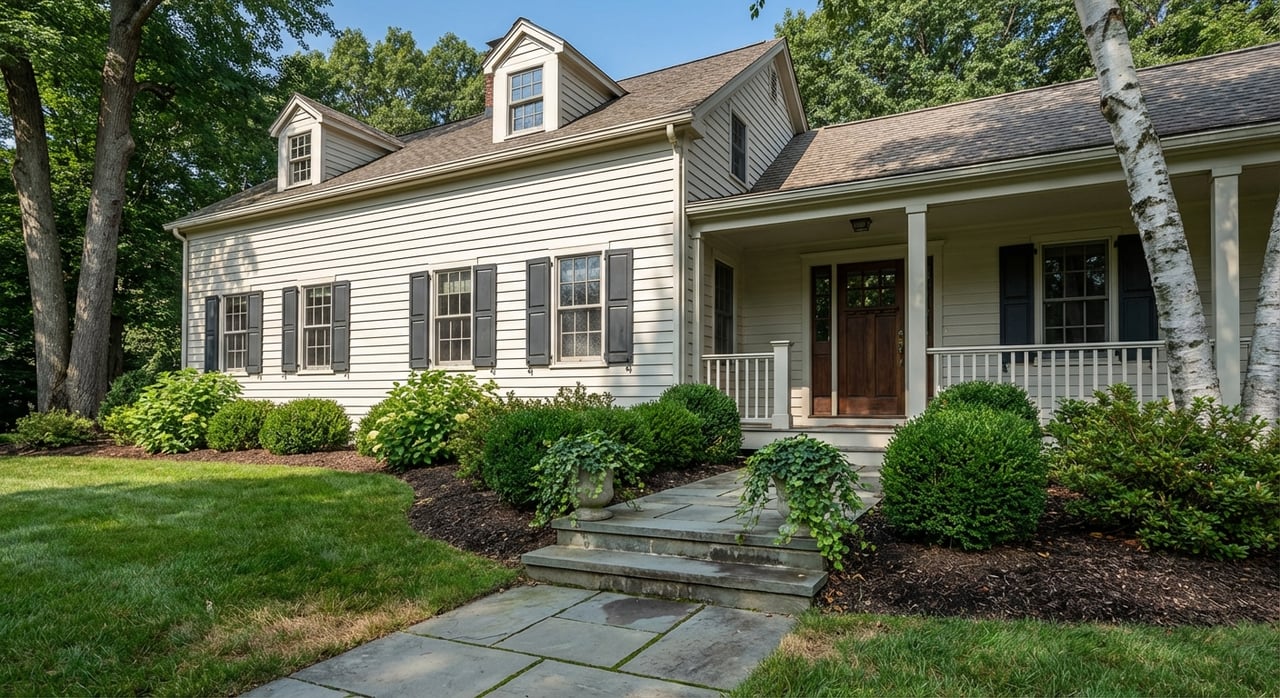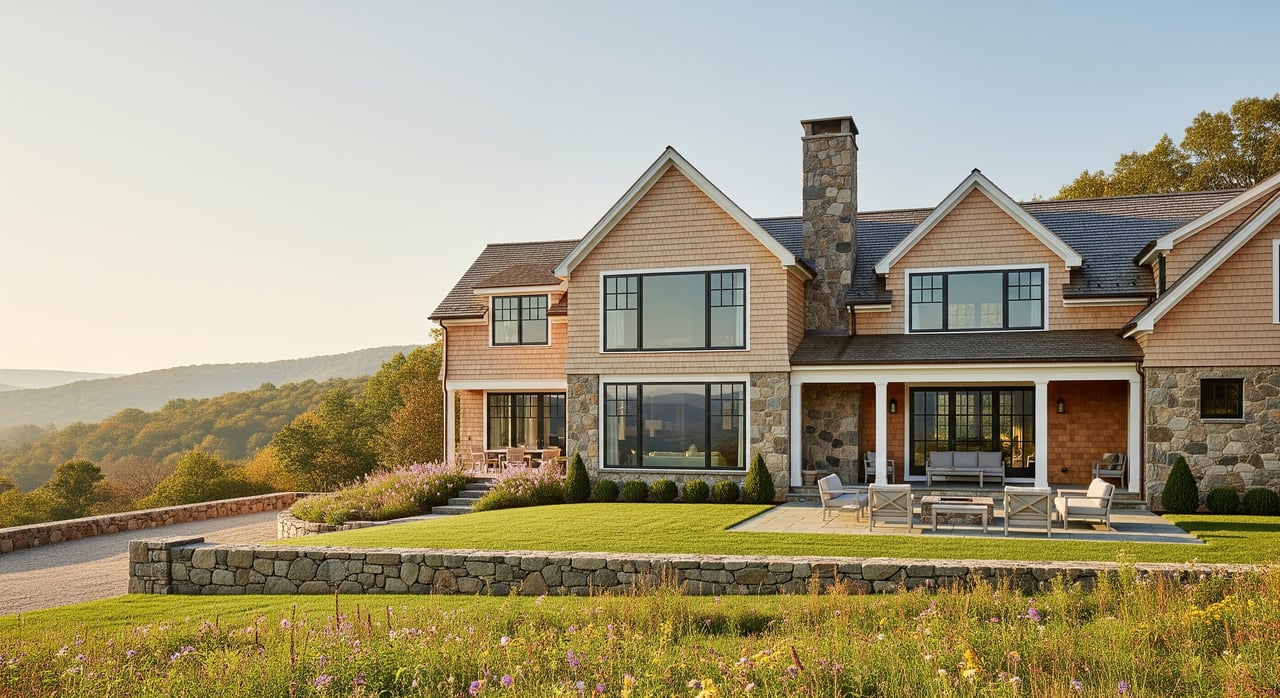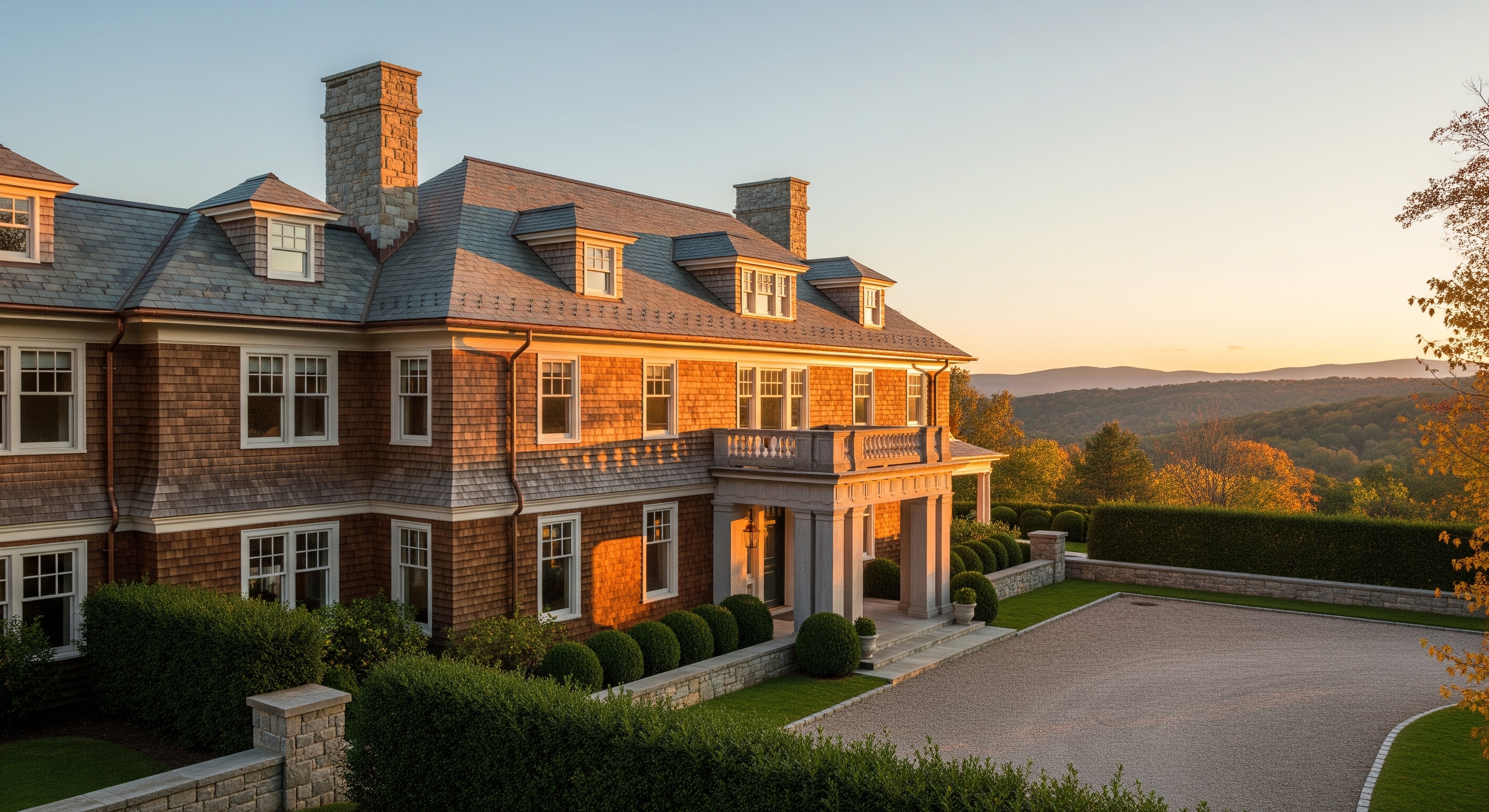
Are you getting ready to list a $1M-plus home in Lenox this spring? Pricing well is the single most important decision you’ll make, and it’s more nuanced in a small, luxury market like the Berkshires. You want to honor your property’s uniqueness while meeting buyers where they are. This guide shows you how to price with confidence, position against the right competition, and move from listing to closing without guesswork. Let’s dive in.
Understand Lenox luxury demand
Lenox sits at the heart of the Berkshires, a destination that attracts second-home buyers from New York City and Boston, retirees planning a move, and a smaller pool of local high-net-worth purchasers. Many buyers value cultural access, privacy and acreage, and architectural provenance. Because this is a smaller market, a few big estate sales can shift averages in any given year. That’s why you need thoughtful comps and clear adjustments rather than quick median-price shortcuts.
Spring is a strong listing window here. Buyers start planning summer stays and want decisions in place before the cultural season. That timing can work in your favor if you combine early exposure, premium marketing, and targeted outreach to seasonal buyer networks. Luxury timelines run longer, so start strong and sustain momentum.
Select the right comps
Accurate pricing in Lenox is about matching property characteristics first, then location, and only then time. For $1M-plus homes, you often need a 12 to 36 month window. If turnover is sparse, you can stretch to 48 to 60 months, as long as you time-adjust based on market direction and documented changes.
Lenox micro-locations to consider
- Immediate Lenox village for walkability to restaurants and galleries.
- Estate neighborhoods with larger lots and private road access.
- Views or water-adjacent pockets, including select ponds and lake areas.
- Cultural proximity, including distance to Tanglewood or The Mount.
What to adjust for
- Acreage and usable land, including conservation restrictions or easements.
- Historic designation and architectural provenance, plus any preservation limits.
- Outbuildings and guest accommodations, such as a carriage house or pool house.
- Systems and finish quality, including updated HVAC, electrical, kitchens, and baths.
- Privacy, views, and noise factors.
- Municipal services versus well and septic, which affect financing and insurance.
- Road and driveway access, year-round plowing, and utility easements.
- Landscape design quality and gardens, including specimen plantings and stonework.
Time and market adjustments
Per-square-foot figures can be a helpful gut check, but they often mislead in the luxury segment. Document the reasons for every adjustment you make, especially for rarity items like extensive acreage, a private water feature, or landmark status. If you use older comps, note what changed since that sale, such as mortgage rates, demand trends, or notable transactions that reset buyer expectations.
Weigh condition and provenance
Provenance can add meaningful value when it is recognized and well documented. Original architects, notable prior owners, or appearances in books and tours can matter to a niche buyer pool. Be transparent about any restrictions tied to historic listings or preservation easements so buyers can evaluate the practical implications.
Condition is just as important. Luxury buyers expect modern systems and a move-in-ready experience. If your property has deferred maintenance, you can either address it before listing or price to account for it. Plan ahead so surprises don’t stall your first 30 to 60 days on market.
Key pre-listing items to gather include structural and roof evaluations, electrical, plumbing and heating status, septic inspection and certificate, well water testing, and documentation of permitted work. For older homes, be prepared to comply with lead-paint disclosure rules and offer any energy or insulation information you have.
Choose a pricing strategy
Three approaches that work
- Market-priced: List at or just below perceived market value to drive showings and potential competition. Pros: faster sale, stronger momentum. Cons: you might leave some upside on the table.
- Aspirational pricing: List above market to reflect unique attributes and test demand. Pros: anchors prestige and value. Cons: higher risk of limited showings, longer days on market, and eventual reductions.
- Hybrid approach: Start near the high end of a realistic range with a defined review window of 30 to 45 days. If activity lags, make calibrated adjustments quickly.
Calibrate aspirational pricing for Lenox
- Pre-market vetting: Quietly canvas top local brokers and likely buyer networks to gauge appetite for a premium. Consider a brief private phase for true estate properties.
- Match the marketing to the price: Use top-tier photography, drone imagery, property booklets, and targeted outreach to known feeder markets. A premium price requires premium presentation.
- Time-to-reduction discipline: Longer days on market erode leverage. Set a review date before you launch and act on the data.
Support the number you choose
- Make selective improvements with strong luxury ROI, such as kitchen refreshes, primary bath upgrades, or system updates.
- Offer a data-backed pricing analysis to help buyers and agents understand how you arrived at the list price.
- Create controlled access through qualified showings or limited open-house exposure for serious prospects. Use set offer review dates carefully.
- Consider price banding to position within buyer search ranges while staying aware of financing and appraisal dynamics.
Levers beyond price
- Negotiate earnest money, inspection timelines, and contingency terms to protect your position.
- Explore seller financing, rent-back, or closing credits where appropriate, understanding the risks and tradeoffs.
- In a buyer-leaning moment, you may accept reasonable contingencies to secure a strong overall deal.
Your pre-listing workflow
Documents to assemble
- Deed history and any recorded easements or restrictions.
- Assessor records, tax history, and any surveys or recorded plans.
- Historic documentation, prior appraisals, and provenance materials.
- Recent inspections: septic, well, structural, and pest.
- Service records for HVAC and boilers.
- Permits for renovations or additions, plus any energy information and insurance history.
Market analysis steps
- Identify 8 to 12 potential comps that closely match acreage, size, quality, and features.
- Narrow to 3 to 6 best comps and document your adjustments line by line.
- Time-adjust results using a 12 to 36 month window, stretching further only when necessary.
- Develop an aggressive, market, and conservative price range.
- Pair your price with a marketing plan and a 30 to 60 day review point.
- Set a staged disclosure plan and a pre-approved reduction strategy if needed.
Marketing preparation
- Professional interior and exterior photography, including twilight and drone.
- A high-quality brochure that highlights provenance, acreage, systems, and measurements.
- Targeted outreach to agents and buyer lists in New York, Connecticut, Boston, and Hartford.
- Showings aligned with the cultural calendar to maximize buyer availability.
Practical spring timing tips
If you plan to list in early spring, prepare your media and property documentation in late winter. That way you launch with full-quality assets the moment weather turns, rather than waiting for a second photo shoot. Coordinate showings around major cultural events to capture visitors who are already in the region. Keep momentum steady through consistent digital exposure and direct broker outreach.
How we add value in Lenox
You deserve a pricing process that blends data, local judgment, and standout marketing. With a senior-advisor approach, you get disciplined valuation, a clear strategy for aspirational vs market-based pricing, and premium presentation that aligns with the number you choose. You also gain access to curated luxury distribution through a Sotheby’s-affiliated network that reaches the Berkshires’ core feeder markets.
Ready to price your Lenox property with precision and confidence? Connect with George Cain for a discreet consultation and a data-backed pricing plan tailored to your home.
FAQs
What makes pricing luxury homes in Lenox different?
- Inventory is limited and sales can be lumpy, so you need broader time windows, careful adjustments, and a focus on property-specific features rather than short-term medians.
How far back should I look for comparable sales in Lenox?
- Start with 12 to 36 months for $1M-plus homes and extend to 48 to 60 months only when necessary, applying time and market adjustments to older comps.
How does historic provenance affect price in the Berkshires?
- Documented provenance can command a premium among niche buyers, but any preservation restrictions should be disclosed so buyers can weigh benefits and limits.
Should I make upgrades before listing my Lenox estate?
- Selective improvements that matter to luxury buyers, like system updates or a refreshed kitchen or primary bath, can support a higher price or faster sale.
What if an aspirational list price does not get traction?
- Use a pre-set 30 to 60 day review point to adjust quickly, backed by showing data and feedback, and shift to the strongest market-based price within your range.