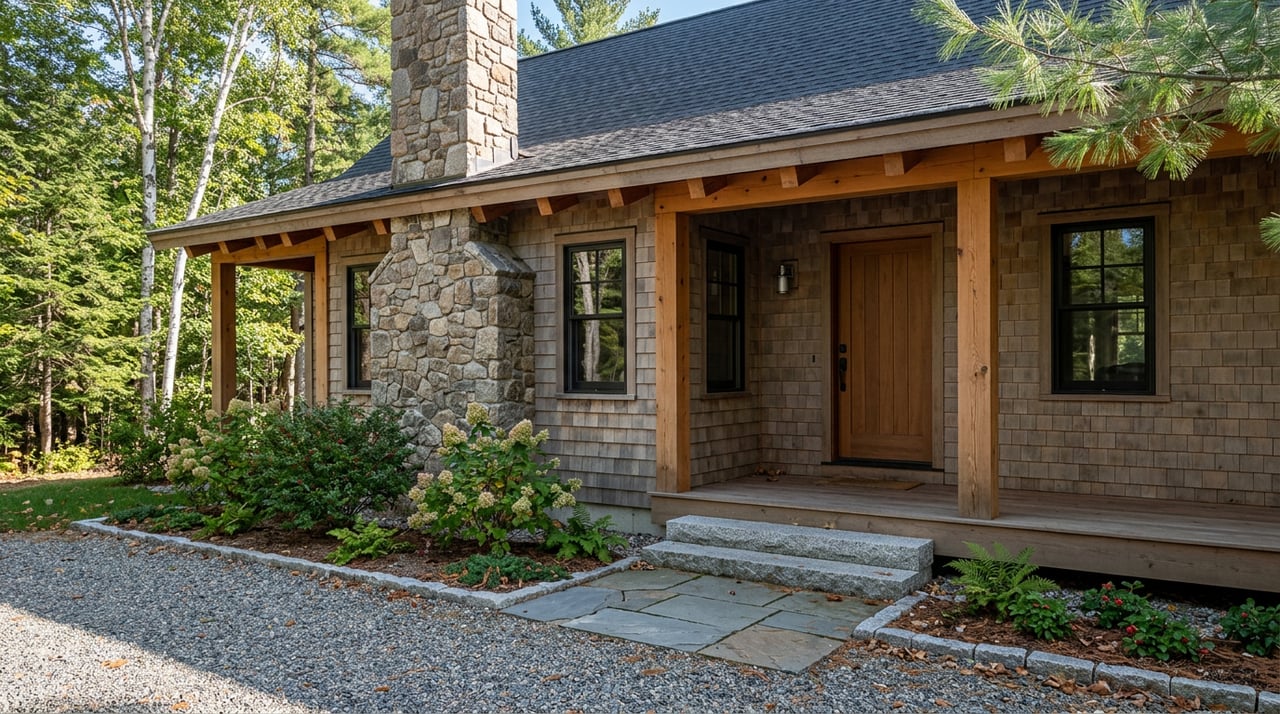
Dreaming of a Berkshire hideaway you can enjoy in every season? Otis offers lakes, forests, and easy access to skiing and hikes, all within a comfortable weekend drive from New York and Connecticut. If you want a place that balances privacy with recreation, Otis deserves a close look. In this guide, you’ll compare settings, understand permits and maintenance, and get a clear checklist to choose your ideal retreat. Let’s dive in.
Why Otis Works Year-Round
Otis sits in the southern Berkshires, a quiet base for boating, hiking, and winter sports. Typical drive times from New York City run about 2.5 to 3.5 hours, and from southwestern Connecticut about 2 to 2.5 hours, depending on route and traffic. For some NYC travelers, Amtrak’s seasonal Berkshire Flyer offers a weekend train to Pittsfield, with schedules that change year to year. You can confirm current details on the Berkshire Flyer through Amtrak’s seasonal updates.
Choose Your Setting
Your first decision is where you want to be: on the water, tucked into the woods, or near town for quick errands.
Lakefront on Otis Reservoir
Otis Reservoir is a large recreational great pond of roughly 1,036 acres, with public boat access and lakeside camping supported by state operations. The day-use areas, beach, and campground at Tolland State Forest manage boat ramps and seasonal reservations. If you value on-water living, lakefront delivers immediate access for swimming, paddling, and boating, plus strong appeal if short-term rentals are allowed.
Waterfront ownership also brings extra planning. Shoreline work, fixed docks, and moorings often require local filings and, when wetlands are involved, oversight through MassDEP. Before you buy, check any existing dock or shoreline structure history with the Otis Conservation Commission and review recorded permits.
Wooded and Secluded
If privacy is your priority, a forested, non-waterfront parcel can be ideal. You often get more acreage, less traffic, and a true retreat feel. The tradeoff is no private shoreline access, plus a greater focus on winter access, driveway plowing, and smart vacancy management if you are away for weeks at a time. A simple seasonal closing routine helps protect systems and reduce surprises when you return.
Near-Town Convenience
Small-lot or village-adjacent homes put you closer to groceries, casual dining, and services. These locations can be easier to use year-round and may offer better internet options in some pockets. Expect less privacy than deeper-woods settings. Your job is to weigh easy access against the retreat vibe you want.
Recreation Highlights
Boating and Beaches
If getting on the water is central to your plan, the reservoir’s concrete ramp and the beach and campground at Tolland State Forest make day trips simple. Lakefront owners will think about dock care, erosion control, and boat storage each season. If you are not on the water, you can rely on public ramps, clubs, or shared facilities.
Hiking and Nature
From Otis, you can reach signature Berkshire trails and waterfalls in short drives. Popular destinations like Bash Bish Falls State Park and the South Taconic corridor offer scenic day hikes and picnic spots. Wooded homes put trailheads on your radar, while lakefront living brings birds, fishing, and sunrises to your doorstep.
Ski Days Nearby
Otis has its own neighborhood hill, Otis Ridge, ideal for quick sessions and family learning. Larger resorts such as Ski Butternut and Catamount are a short drive, which lets you pick your day based on conditions and crowd levels. This mix keeps winter weekends flexible and fun.
Getting Here
Weekend travelers from the New York–Connecticut corridor make Otis a steady four-season base. Typical drive times are about 2.5 to 3.5 hours from New York City and about 2 to 2.5 hours from Stamford and nearby towns, depending on route and traffic. If you prefer rail for part of the journey, the seasonal Berkshire Flyer runs between New York City and Pittsfield on select weekends. Always check the current schedule and availability before planning around the train.
Ownership Basics
Septic and Title 5
Most rural properties in Otis rely on private septic systems. Massachusetts enforces 310 CMR 15.000, known as Title 5, which sets rules for inspections and maintenance around a sale. Before you write an offer, review the last Title 5 report and routine pumping records, and understand any repair recommendations.
Shoreline and Wetlands
For lakefront or near-wetland parcels, shoreline work and dock changes often require filings with the Otis Conservation Commission, and sometimes MassDEP involvement. Request copies of any past Orders of Condition, RDAs, or NOIs, and verify that existing docks or erosion-control measures were permitted. Doing this early helps you avoid surprises after closing.
Wells and Water
Many homes use private wells. It is smart to test for bacteria, nitrates, and common contaminants as part of your due diligence. The Town of Otis website is a good starting point to confirm local processes and contacts for health and permitting questions.
Maintenance and Budget
Seasonal homes and lake properties come with a few predictable line items. Build a realistic plan so your retreat stays easy to enjoy.
- Septic care: Routine pumping is a modest, recurring cost. Replacement or leach field work can be a larger investment that depends on system type and site conditions. Reviewing Title 5 inspection results helps you plan ahead.
- Snow and access: Long or steep driveways may require a seasonal plowing contract and a backup plan for ice and emergency access. If you will be away, line up a local contact who can respond after storms.
- Boat storage and winterizing: Budget for haul-out, shrink-wrap or indoor storage, and engine winterizing if you keep a boat on the reservoir. A short seasonal closing checklist protects plumbing, HVAC, and appliances when you are off site.
- Waterfront stewardship: Docks need seasonal attention, and shoreline erosion control may require periodic maintenance. Confirm past permits and stay current on local rules before you modify anything near the water.
Taxes and Insurance
Tax burden varies by property. Town documents list the FY2025 residential rate at $6.46 per $1,000 of assessed value, with FY2026 estimated near $5.96. Use the assessor’s classification materials to compare your short list of homes on total carrying costs, not just list price. Waterfront homes may also have different insurance considerations based on site features and proximity to the water.
Short-Term Rentals
If you plan to offset carrying costs with short-term rentals, check local registration and rules before you buy. Otis, like other Berkshire towns, has been developing short-term rental frameworks. Confirm what is allowed for your specific property and what approvals are required so your business plan aligns with town expectations.
Touring Checklist
Use these prompts to keep your search focused and informed:
- Is the property lakefront, lakeside by easement, or lake-access-only? Who holds shoreline rights, and what docks or moorings are permitted today?
- When was the last Title 5 inspection, and are there septic pumping or repair records to review?
- How long and steep is the driveway, and what would a seasonal snow plan cost? Is there easy turnaround for plows and service vehicles?
- For year-round use, has the home been winterized before, and are the systems set up for vacancy without damage risk?
- For lake parcels, are there recorded Orders of Condition, RDAs, or NOIs on file for docks, seawalls, or erosion control? Can you obtain the commission records?
- Where are the nearest services and medical facilities, and how do winter and summer drive times differ during peak travel periods?
Work With a Local Advisor
Choosing the right setting in Otis comes down to how you want to use your home, season by season. A data-informed local advisor helps you weigh tradeoffs, validate permits, and structure a clean, confident offer. If you are exploring lakefront, wooded, or near-town options, connect with a seasoned Berkshire specialist who can guide you from first tour to close.
Ready to compare properties and build a smart plan for your Otis retreat? Reach out to George Cain to start the conversation.
FAQs
What should a first-time Otis buyer know about septic rules?
- Massachusetts requires septic systems to meet Title 5 standards during transfers. Ask for the latest inspection report and maintenance records before you make an offer.
How do lakefront permits work for docks on Otis Reservoir?
- Shoreline and dock work typically require filings with the Otis Conservation Commission, and some projects involve MassDEP. Request past Orders of Condition, RDAs, or NOIs and confirm current approvals.
Is there a train option from New York City to the Berkshires?
- Yes. Amtrak’s seasonal Berkshire Flyer connects New York City and Pittsfield on select weekends. Check the current schedule each season before planning around it.
What are the main differences between lakefront and wooded homes in Otis?
- Lakefront offers immediate water access and strong recreation appeal, but requires shoreline stewardship and dock care. Wooded parcels provide privacy and acreage with a focus on winter access and vacancy planning.
How are property taxes calculated in Otis, MA?
- Town documents list the residential tax rate per $1,000 of assessed value. Compare total tax impacts across homes and review the latest assessor materials before you finalize a budget.
What seasonal maintenance should I plan for in a Berkshire retreat?
- Plan for driveway plowing, routine septic care, and a simple winterization checklist for plumbing and mechanicals. Waterfront owners should also budget for dock service and boat storage.
Otis Conservation Commission forms and guidance
Otis Reservoir overview (Mass.gov)
Tolland State Forest boating, beach, campground
Title 5 septic regulations (310 CMR 15.000)
Seasonal home closing checklist