Looking for real privacy, open land, and that Berkshire sense of space without giving up quick access to culture and services? If Richmond is on your shortlist, you are not alone. The town blends rural character with easy reach to Lenox and Great Barrington, which makes it a smart place to shop for country estates and larger landholdings. In this guide, you will learn what acreage looks like here, the home styles you will see, and the key infrastructure, permitting, and conservation factors that shape value. Let’s dive in.
Richmond at a glance
Richmond is a small, rural Berkshires town with about 1,400 residents and roughly 18.7 square miles of land. It is known for outdoor recreation around Richmond Pond, Richmond Mountain, and Stevens Glen, and has a largely residential, country setting. You can get a quick overview of the town’s setting and history by starting with the municipal summary on Wikipedia’s Richmond page.
For parcel-by-parcel rules, the town’s primary resource is the Richmond Document Center. You will find the Town of Richmond zoning bylaw, well regulations, septic guidance, driveway information, and permit forms there. These materials are essential when you are evaluating build potential or due diligence items.
Conservation is a real factor in Richmond. The Richmond Land Trust reports preserving more than 1,000 acres in town. That scale of protected land enhances the privacy of adjacent properties, but it can also reduce the amount of contiguous unprotected acreage available to purchase or develop.
If you want baseline municipal data like tax rates or owner-occupancy for context, the Massachusetts Municipal Association profile provides a helpful snapshot you can compare with other Berkshire towns.
Acreage bands you will see
You will find everything from large home lots to legacy farms in Richmond. Here is how the most common acreage bands tend to perform for buyers.
1 to 5 acres: rural residential
This range delivers a single-family home with a country feel, modest privacy, and manageable site work. You often get tree cover, shorter driveways, and lower upfront costs. Most sites rely on a private well and septic system, which you should confirm through perc tests and well records during diligence. Many buyers use this band for primary or second homes who want rural character without taking on heavy land management.
5 to 25 acres: small estates and hobby farms
This is a frequent sweet spot in Richmond. You can site a larger home and add a detached garage or barn, and you may get small fields or pasture for low-intensity uses. Privacy increases as you move above 10 acres, especially on ridgelines or where a parcel abuts conserved land. Be sure to verify the buildable envelope based on setbacks, slopes, and any wetland buffers defined by the zoning bylaw.
25 to 150-plus acres: legacy parcels
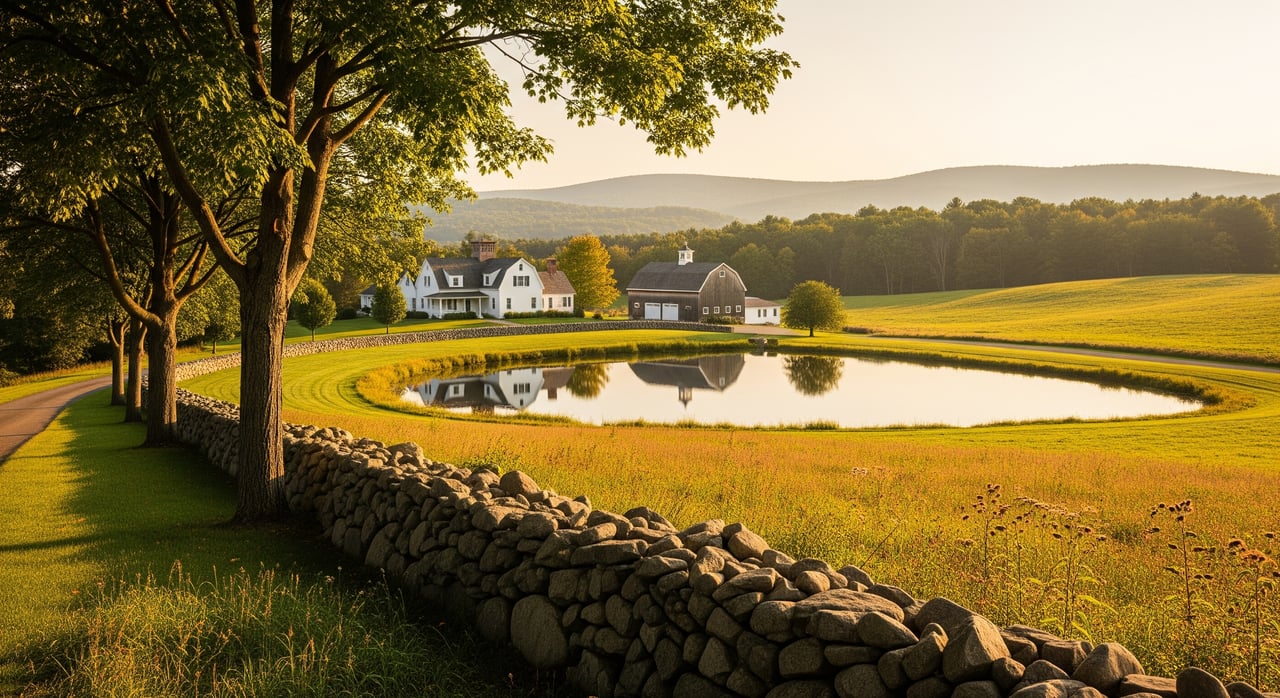
These offerings can deliver long private drives, a farmhouse or farm complex, substantial view corridors, and a mix of open and wooded acreage. Portions of large estates sometimes carry conservation restrictions, which protect the land but can limit future development or subdivision potential. When you see properties at this scale, confirm exactly how much land is unrestricted and how access, maintenance, and utilities are set up for long-term use.
What the homes look like
Farm and farmhouse heritage
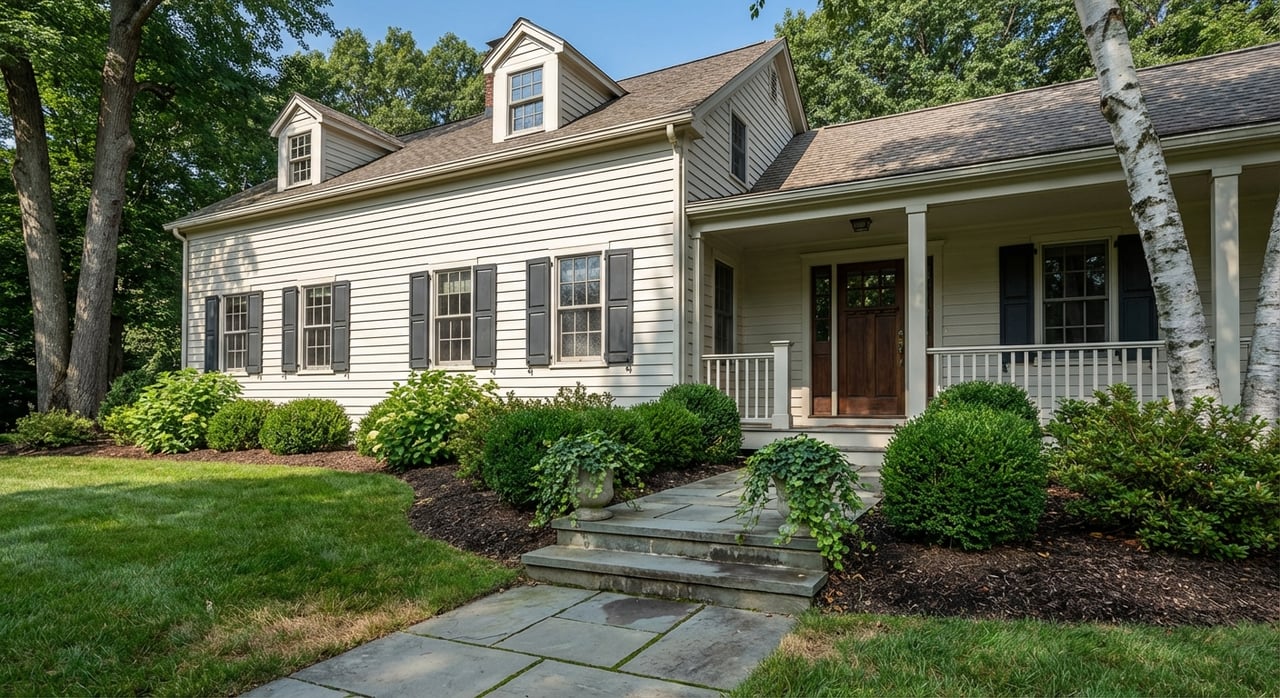
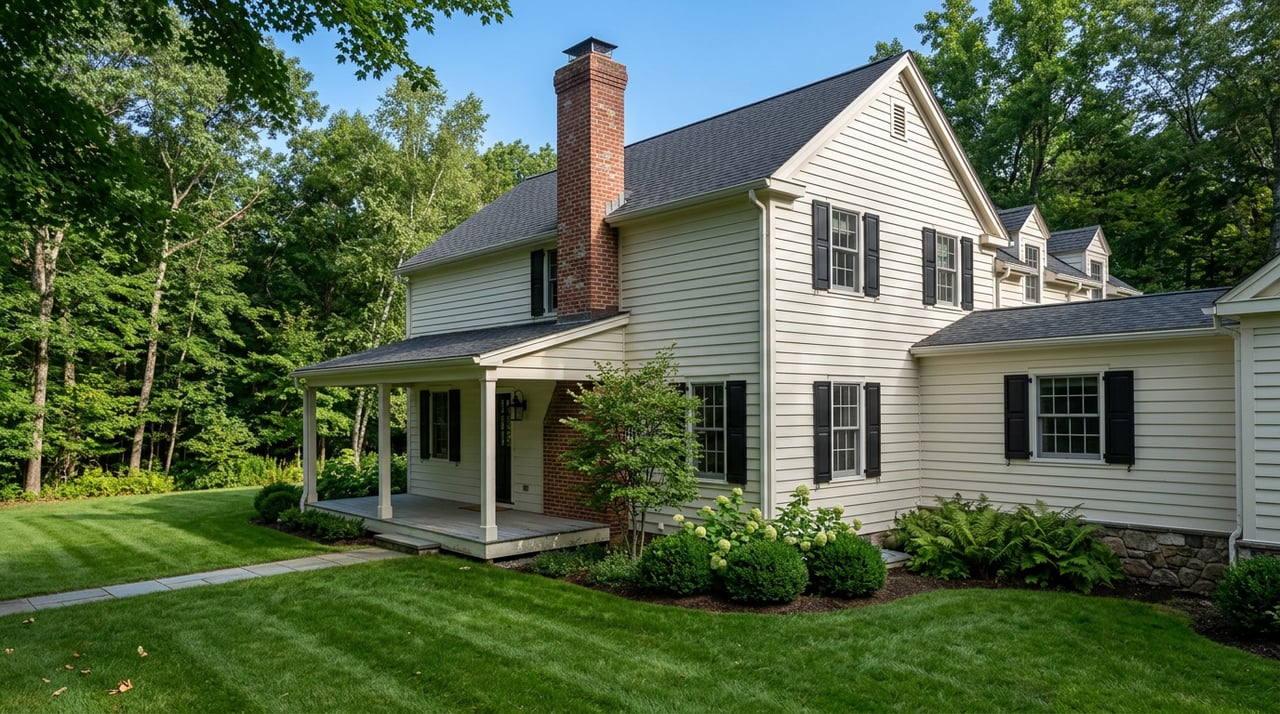
Richmond’s estate inventory often leans into working-farm character. You will see 19th-century farmhouses, barns, and renovated farm complexes on larger tracts. This is a great fit if you value authenticity, agricultural roots, and broad views over formal landscaping.
Mid-century and newer custom builds
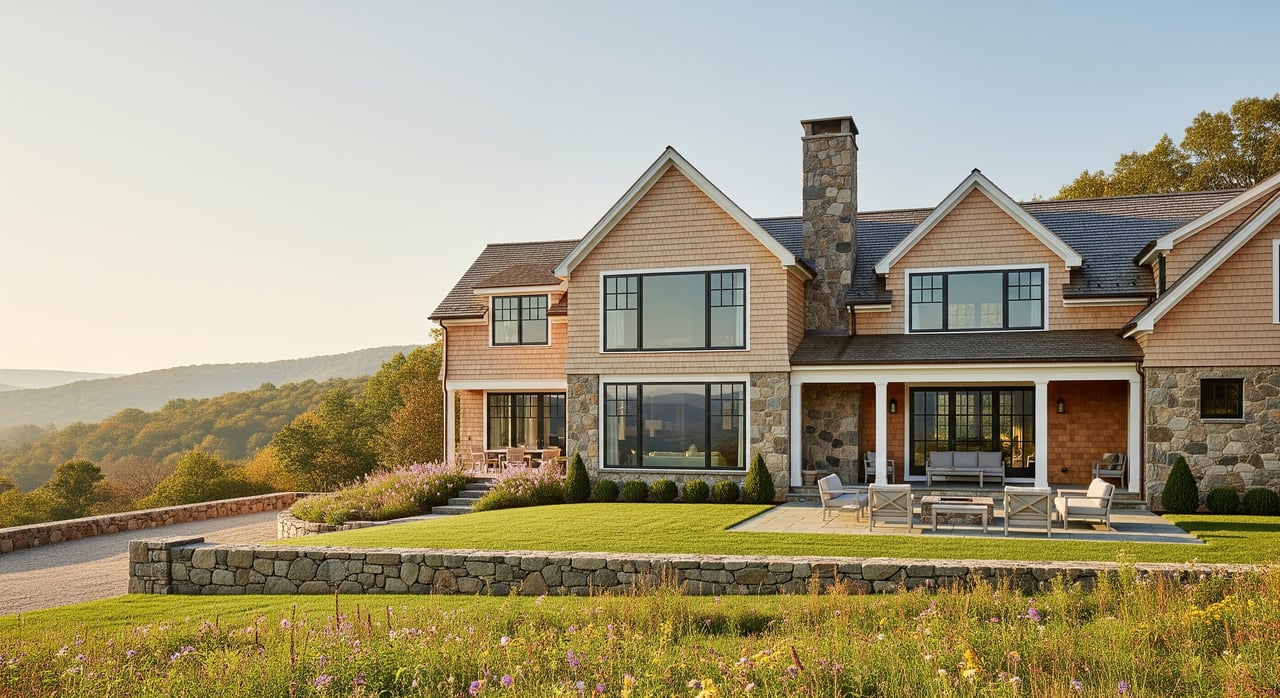
On smaller or mid-size parcels, you will find mid-century ranch or split-level homes as well as newer custom houses sited for privacy and scenery. New construction typically targets view corridors, so expect longer driveways and careful siting that balances sun, wind, and winter access.
Comparing nearby formal estates
If you are seeking grand, formal grounds that mirror a classic Gilded Age estate image, nearby Lenox and Stockbridge often carry more of that product type. Richmond can definitely deliver size and seclusion, but its identity tends to be working-farm typologies, ridgeline homes, and private woodlands rather than formal lawns and resort settings.
Privacy, services, and permitting
Privacy and abutters
Privacy is shaped by acreage, topography, and what sits next door. Parcels that abut protected land or sit within a larger protected landscape often advertise excellent seclusion. Before you buy, verify conservation status and any deed restrictions to understand where you can build and how the parcel’s privacy will hold up over time. The Richmond Land Trust can help you identify protected parcels in town.
Water and septic
Private wells and septic systems are the norm in rural Richmond. You should expect to review or complete a perc test and confirm well feasibility early in your process. The town’s Document Center includes well regulations and homeowner septic guidance. If you are financing a land purchase or planning new construction, a successful perc is often a prerequisite for approvals and lender confidence.
Power and internet
Service availability varies by road. Some listings note upgraded internet or fiber available at the street, but it is not universal. If you need high-speed service for remote work, verify providers and speeds at the parcel level before you finalize terms.
Zoning and conservation restrictions
Richmond’s zoning bylaw governs setbacks, lot coverage, uses, and special permits. Parcel-specific constraints can also include wetland buffers or Conservation Commission oversight. Always cross-check your plans with the Town of Richmond zoning bylaw and speak with the Planning or Assessor’s office for parcel details. Where conservation restrictions are in place, understand what is protected and what that means for future building locations, outbuildings, or lot splits.
Roads and driveways
Many estate properties sit on long private drives. Clarify who maintains the road, how winter plowing is handled, and whether there is a road association in place. The town posts DPW and driveway permit information in the Document Center, which is helpful if you plan to add or improve access.
How close is everything
One of Richmond’s advantages is location. If you want a quiet country setting with short drives to culture and services, the numbers are compelling.
- Lenox is roughly 6 miles away, or about a 10 to 15 minute drive depending on your route. Many buyers prioritize Richmond for quick access to Tanglewood and Lenox village. You can confirm the short hop using this Lenox to Richmond drive distance reference.
- Pittsfield is the nearest city-scale service center at about 8 to 10 miles, roughly 15 minutes by car, with major groceries, medical services, and regional transit connections. See the Richmond to Pittsfield distance.
- Great Barrington, the southern Berkshires hub, sits about 12 to 14 miles away, or roughly 20 to 30 minutes depending on route and traffic. Check the Richmond to Great Barrington distance.
The practical takeaway is simple. Richmond gives you quiet acreage close to the Berkshires’ best-known cultural centers, without the denser, resort-oriented feel you will find in some neighboring towns.
Buyer playbook: evaluating a Richmond estate
Use this step-by-step list to size up a parcel efficiently.
- Start with zoning and conservation. Pull the latest bylaws and permit forms in the Document Center, then ask directly about any conservation restrictions affecting the parcel. The Richmond Land Trust can help identify protected parcels nearby.
- Confirm buildability. Review or complete a perc test, map potential well locations, and understand wetland buffers or Conservation Commission triggers that might affect siting.
- Validate access. Determine if the driveway is public or private, who pays for maintenance and plowing, and whether any road association documents exist.
- Check utilities. Call out power availability and internet options at the street, especially if high-speed service is a must-have.
- Study the topography. Walk the land to assess slopes, rock ledge, drainage patterns, and exposure. These factors drive site work costs and view potential.
- Analyze the envelope. Overlay setbacks, buffers, and easements to establish a realistic building area for the house, garage, barn, and future flexibility.
- Review assessor records. Confirm acreage, property class, and tax details through the town’s main site and Assessor pages at richmondma.org.
- Look for neighboring protections. Parcels next to conserved land can enjoy stronger long-term privacy and view preservation.
- Align lifestyle needs. If you want quick access to concerts, dining, or services, weigh the drive times to Lenox, Pittsfield, and Great Barrington when comparing addresses.
- Model long-term plans. If you envision agricultural uses, trails, or additional outbuildings, test the plan against zoning, conservation limits, and realistic site work budgets.
The bottom line
Richmond is a standout choice if you want acreage, quiet, and authentic Berkshire scenery with fast access to Lenox and Pittsfield, plus reasonable reach to Great Barrington. The town supports everything from 1 to 5 acre country home sites to 100-plus acre legacy farms. Most parcels rely on wells and septic, and conservation plays a visible role in both privacy and development limits. If you approach your search with solid due diligence, you can secure a property that balances seclusion, usability, and long-term value.
Ready to walk land, review bylaws, or compare Richmond with other Berkshire towns? Connect with George Cain for parcel-level guidance, data-driven pricing insight, and a smooth path from offer to closing.
FAQs
What permits and tests do I need when buying vacant land in Richmond, MA?
- Plan on a successful perc test for septic, confirmation of well feasibility, and alignment with the Town of Richmond zoning bylaw and any Conservation Commission requirements found in the Document Center.
How do conservation restrictions impact build potential on Richmond estates?
- Conservation restrictions protect land but can limit building locations or future subdivision, so verify what acreage is restricted and review documents with the seller and the Richmond Land Trust.
Does Richmond have public water or sewer for country parcels?
- Most rural parcels use private wells and septic systems, and you can review well and septic guidance through the town’s Document Center.
How far is Richmond from nearby Berkshire hubs like Lenox and Great Barrington?
- Lenox is about 10 to 15 minutes, Pittsfield is roughly 15 minutes, and Great Barrington is about 20 to 30 minutes based on typical routes and conditions; see the Lenox to Richmond, Pittsfield, and Great Barrington distance references.
What types of homes are most common on larger Richmond parcels?
- You will often see historic farmhouses and renovated farm complexes on big tracts, plus mid-century or newer custom homes on mid-size acreage, with siting that favors views, privacy, and rural character.